New Offer
Receive [your product here]
Describe what benefits the customer will get from your offer.


Written by Philip Ogina
Oil and gold traded in relatively tight ranges on Thursday as markets absorbed a key shift in the geopolitical narrative. President Donald Trump extended the deadline for Iran to reopen the Strait of Hormuz, signaling that diplomatic efforts are still ongoing despite continued tensions.
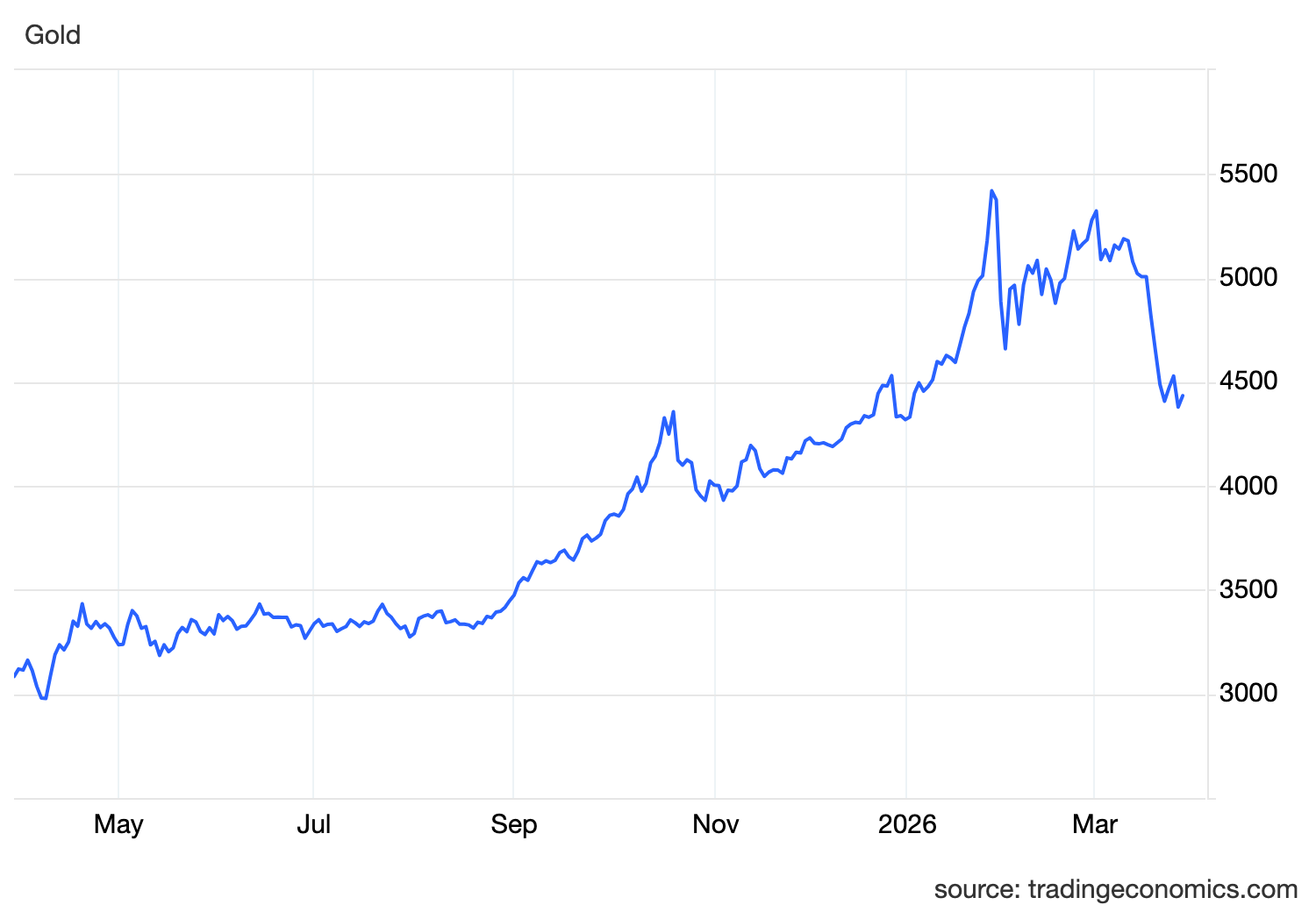
The move helped calm immediate fears of a full-scale supply shock. After weeks of extreme volatility driven by disruptions to shipping routes and energy infrastructure, the extension suggests that markets may be entering a temporary stabilization phase rather than an escalation cycle.
That explains why oil, after sharp swings above $100 earlier in the week, has begun to hold steadier levels. The key shift is not that the risk has disappeared, but that the probability of an immediate worst-case scenario has declined.
Gold is reflecting the same dynamic.
Normally, geopolitical tension would push gold sharply higher. But right now, bullion is caught between two opposing forces. On one side, ongoing conflict and uncertainty continue to support safe-haven demand. On the other, easing oil prices reduce inflation pressure, which in turn lowers bond yields and softens the urgency for defensive positioning.
The result is stabilization rather than trend.
The dollar sits right in the middle of this shift.
Earlier in the week, rising oil prices pushed inflation expectations higher, supporting the dollar through a more hawkish rate outlook. Now, with oil stabilizing and diplomacy back on the table, that inflation-driven support is easing slightly.
However, the dollar is not weakening aggressively, and the reason is the labor market.
Initial jobless claims came in around 210,000 this week, a level that continues to signal a relatively resilient US labor market. In macro terms, this is critical. Claims near this range suggest that layoffs remain contained and that the labor market is not deteriorating fast enough to force the Federal Reserve into urgent rate cuts.
That ties directly into monetary policy.
The Fed is now dealing with a very specific setup. Growth is moderating but not collapsing. Inflation risks are volatile due to oil and geopolitics. And the labor market is still holding up. That combination keeps policymakers in a holding pattern.
In simple terms, the labor data is preventing the Fed from cutting aggressively, while the easing in oil is preventing inflation fears from spiraling further. That is why markets are now pricing a slower, more conditional path for rate adjustments rather than a clear easing cycle.
Across assets, the transmission is clear.
Stable oil reduces inflation pressure.
Stable inflation expectations reduce upward pressure on yields.
Stable yields limit further upside in the dollar.
At the same time, ongoing geopolitical risk prevents a full risk-on move.
This is why gold, oil, and the dollar are all consolidating at the same time. Markets are no longer pricing escalation, but they are not pricing resolution either.
Bullion Holds Steady as Markets Balance War Risk and Rate Pressure
Markets Face a High-Stakes Week as Oil, NFP and Inflation Reprice Everything
Session expired
Please log in again. The login page will open in a new tab. After logging in you can close it and return to this page.