New Offer
Receive [your product here]
Describe what benefits the customer will get from your offer.


Written by Philip Ogina
The week ahead is not just about data. It is about whether markets keep trading an oil shock or start trading a diplomatic reset. The United States has pushed military escalation beyond the end of the coming week, which gives diplomacy a small window, but with Persian Gulf exports still heavily disrupted, energy remains the main transmission channel into inflation, growth and monetary policy. Reuters reported on Sunday that Brent had surged to about $115.98 and was on track for its biggest monthly rise since 1990 as the Gulf conflict continued to rattle global markets.
That is what makes the US data so important. March payrolls are expected to show only a modest rebound, with Reuters citing expectations for roughly 55,000 jobs added and an unemployment rate of 4.4%, while TradingEconomics sees payroll growth around 48,000, unemployment at 4.5%, and average hourly earnings up 0.4%. The exact number matters, but the broader point is clear: the labor market is cooling, not collapsing. In a normal environment, softer jobs data would strengthen the case for rate cuts. In the current one, higher oil prices are making that conclusion much less clean.
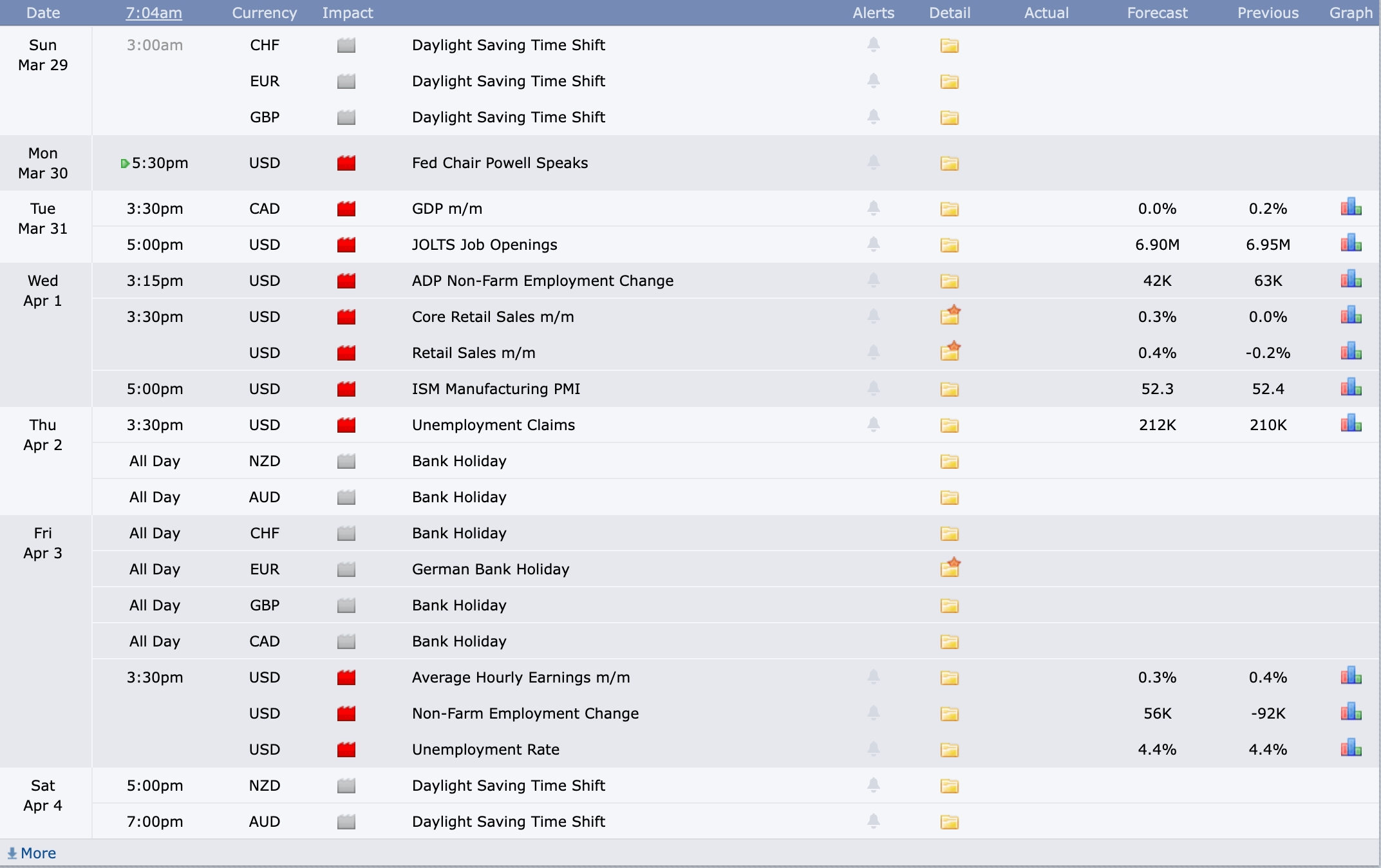
The ISM manufacturing survey matters for the same reason. If energy costs are already squeezing producers, then the inflation shock is starting to feed into real activity rather than staying confined to commodity markets. That would deepen the Fed’s problem. A softer labor market argues for easier policy eventually, but a war-driven rise in oil and producer costs argues for caution. The result is that the dollar can still stay supported even in a slower-growth environment because safe-haven demand and delayed rate-cut expectations are now working together. Reuters said this weekend that the combination of surging oil, firmer yields and recession fears has already lifted the dollar against energy-importing currencies, especially the euro and yen.
Europe will be dealing with the same shock through inflation. The first euro area CPI print since the war began is expected to jump sharply, with TradingEconomics pointing to 2.8% headline inflation for the euro area in March versus 1.9% in February. Reuters separately reported that economists now expect euro zone inflation to average 2.6% in 2026 rather than 2.0%, with price growth not returning to target until the second quarter of 2027. That is a major shift. It means the ECB is no longer navigating a simple disinflation story. It is navigating the risk of war-driven stagflation.
Japan is another critical piece. The BOJ minutes due this week will matter because Japan is one of the major economies most exposed to imported energy. Reuters reported that the dollar has strengthened against the yen as oil surged, with higher energy costs threatening Japan’s inflation and growth mix at the same time. If the BOJ remains cautious while crude stays elevated, USDJPY can remain supported even if broader risk sentiment worsens.
China’s official and private PMIs matter because China is the world’s largest energy importer and the cleanest read on how higher oil is feeding into industrial activity. Reuters’ earlier reporting showed a split picture in February, with official gauges weak and the private manufacturing PMI stronger. This week’s batch will tell markets whether the oil shock is starting to overwhelm that resilience. If China softens materially, it would add to global growth fears even as inflation stays high. That is the kind of setup that makes policy decisions harder everywhere.
For the dollar specifically, this week is all about whether the market keeps extending the “higher for longer” logic. If NFP comes in soft but not disastrous, wages stay firm and ISM holds up, the Fed can keep its cautious tone and the dollar should remain underpinned. If payrolls miss badly and the ISM weakens sharply, then growth fear may start to dominate the oil inflation story, which would make the dollar reaction more mixed. But right now, the baseline is still dollar-supportive because war risk is pro-USD and oil is reducing the market’s confidence in early easing.
Across assets, the setup is pretty clean. If oil stays high and this week’s data stay merely soft rather than disastrous, the dollar stays firm, gold remains supported by war but capped by yields, and equity indices stay vulnerable to the squeeze between higher input costs and tighter financial conditions. If diplomacy improves materially and oil breaks lower, that changes everything. Inflation pressure eases, central banks get breathing room, and markets can rotate back toward growth and risk. For now though, oil is still writing the macro script.
Gold and Oil Steady as Trump Extends Iran Deadline and Markets Reprice Risk
Yen Holds Gains as Tokyo Warns While Oil Pressures Persist
Session expired
Please log in again. The login page will open in a new tab. After logging in you can close it and return to this page.