New Offer
Receive [your product here]
Describe what benefits the customer will get from your offer.


Written by Philip Ogina
What changed is the sudden opening of a tangible de-escalation window in the Iran conflict. President Trump announced a two-week delay in strikes to finalize talks, describing Iran’s 10-point proposal as a workable basis for negotiations. Iran committed to reopening the Strait of Hormuz for that period provided attacks stop, with Israel reportedly assenting to the temporary pause. This marks the first credible step toward easing supply disruptions that have kept oil elevated since the conflict intensified.
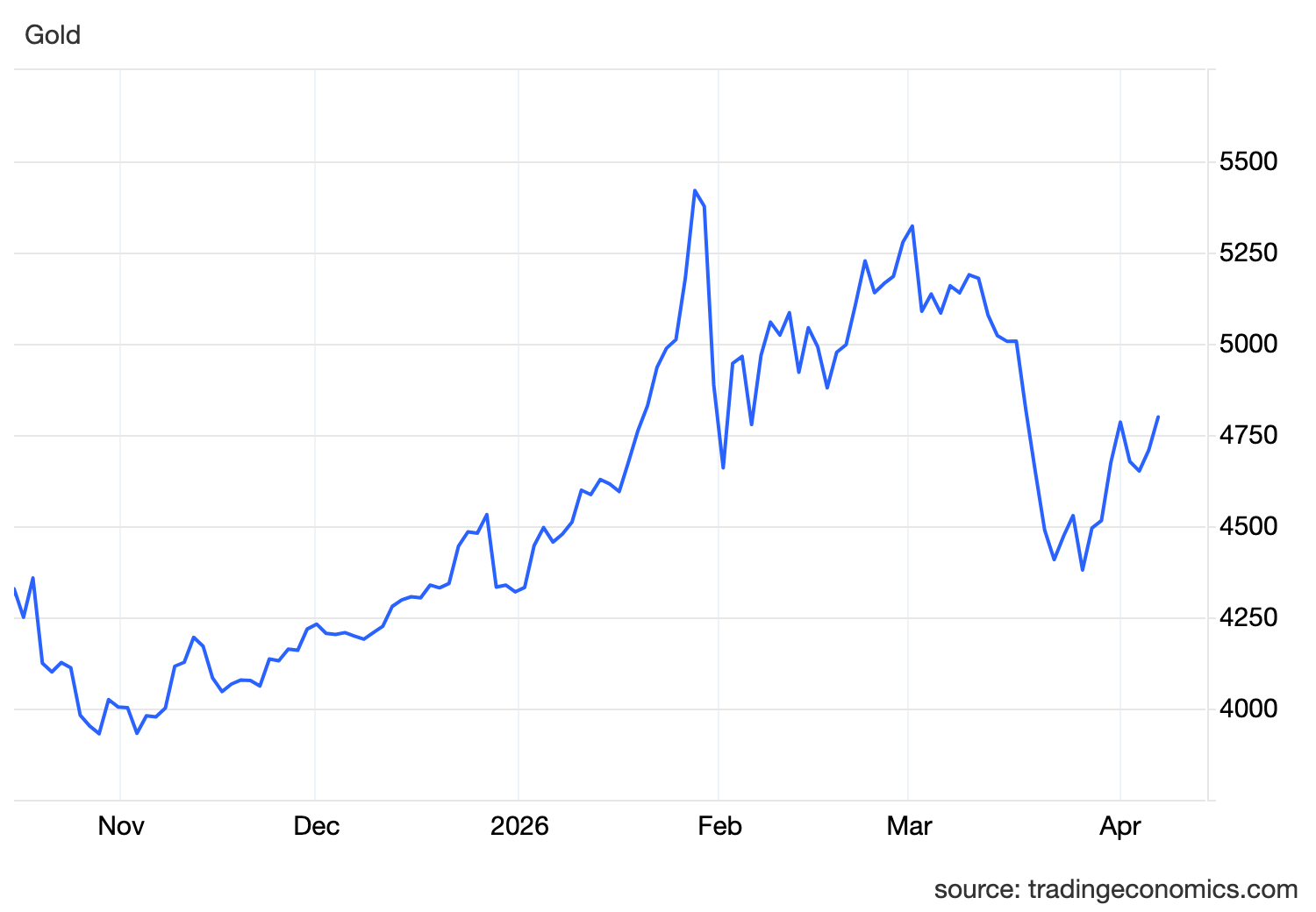
Why now? The move comes after weeks of mixed signals and rising energy costs that had already forced the March FOMC to hold rates at 3.50 to 3.75 percent and lift its 2026 PCE projections. Recent services PMI data showed slowing activity alongside a sharp jump in prices paid, largely attributed to oil and fuel costs tied to the war. Markets had begun pricing in fewer rate cuts as the geopolitics-to-inflation channel stayed live. The ceasefire announcement shifts that dynamic by raising hopes that the oil premium could unwind, potentially lowering near-term inflation pressures just as softer employment signals emerge.
Why does it matter? The Federal Reserve’s reaction function gains breathing room. Persistent oil strength from Hormuz risks had constrained policymakers by embedding upside inflation risks even amid cooling activity. A successful two-week pause and Hormuz reopening could allow the energy impulse to fade, making it easier for the Fed to respond to any further labor market softening with measured easing later in 2026. Markets are already reflecting this shift through the sharp gold rally.
Transmission logic runs clearly: de-escalation signals reduce supply risks around Hormuz, easing oil prices and lowering headline inflation expectations, which in turn relaxes the constraint on Fed cuts, supports lower real yields, and weakens the dollar’s safe-haven premium. Gold benefits directly as both geopolitical fear subsides and the opportunity cost of holding non-yielding assets improves with potentially lower rates ahead. Oil faces downward pressure on any sustained reopening, while broader risk sentiment improves as discount rates become less punitive for equities outside of energy and defense.
The bottom line is that this development does not eliminate uncertainty but materially improves the macro setup for the Fed. The central bank remains data-dependent, yet the inflation channel that had boxed it in now looks less threatening. If the two-week window delivers visible progress and Hormuz flows normalize, the single 2026 cut still in the dot plot could come into sharper focus or even expand. Until then, officials will watch oil and incoming inflation data closely. The April FOMC meeting will provide the first formal read on how seriously policymakers take this potential turning point.
ISM Services PMI Miss Highlights Stagflation Risk: Fed Easing Delayed Again
Middle East Developments Tighten Fed Dilemma As Minutes Highlight Persistent Inflation Threat
Session expired
Please log in again. The login page will open in a new tab. After logging in you can close it and return to this page.