New Offer
Receive [your product here]
Describe what benefits the customer will get from your offer.


Written by Philip Ogina
What changed is the Fed’s internal assessment of risks following the escalation of the Iran conflict. Officials now see both sides of the dual mandate under greater pressure: inflation risks tilted higher from potential persistent oil price increases, and employment risks tilted lower from reduced household purchasing power and tighter financial conditions. Many participants highlighted that a protracted war in the Middle East would likely lead to more lasting energy price gains, with higher input costs more prone to pass through into core measures. A growing number even supported framing future decisions as two-sided, leaving the door open to rate hikes if inflation expectations become unanchored.
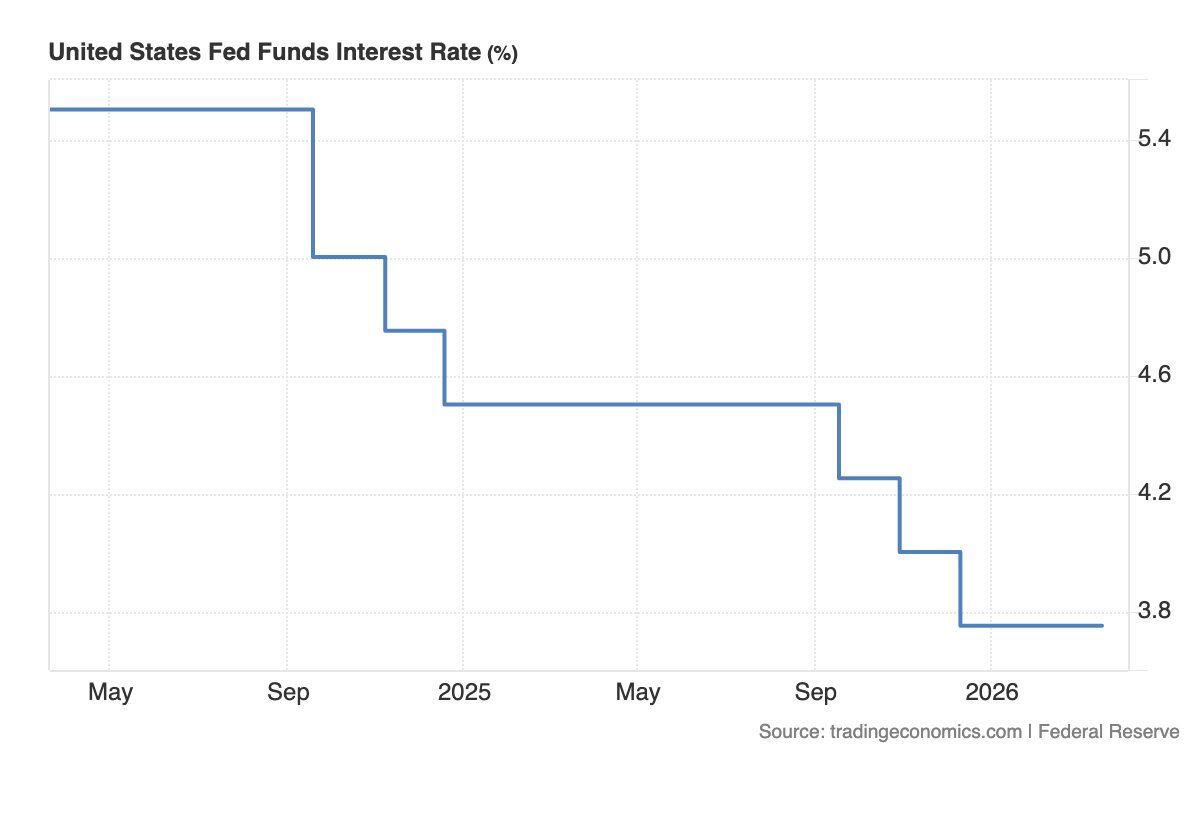
Why now? The minutes, released on April 8, capture the FOMC’s thinking from its March 17–18 meeting, when the oil shock from Strait of Hormuz disruptions was already several weeks old. This came shortly after softer services activity and a sharp rise in prices-paid components, as businesses cited war-related cost pressures. Policymakers held rates steady at 3.50–3.75 percent in line with expectations but revised their 2026 inflation projections higher. The discussion revealed heightened uncertainty, with most officials judging that progress toward the 2 percent objective could be slower than previously anticipated.
Why does it matter? The Federal Reserve’s reaction function has become more symmetric and data-dependent in a challenging way. Downside risks to employment could eventually justify cuts, but upside risks to inflation — amplified by energy pass-through — raise the possibility of hikes to keep longer-term expectations anchored. This two-sided framing constrains aggressive easing even as labor market signals soften. Markets have responded with reduced conviction around near-term cuts, supporting the dollar and keeping yields from falling sharply.
Transmission logic is clear: prolonged Middle East conflict sustains elevated oil prices → higher headline and core inflation risks → slower disinflation path → tighter monetary policy bias or delayed easing → firmer dollar via interest rate differentials and reduced cut expectations → pressure on real yields. Gold faces mixed forces, with safe-haven demand potentially offset by higher opportunity costs if real yields stay supported. Oil remains sensitive to any ceasefire developments, while broader risk sentiment stays cautious outside energy and defense as discount rates remain elevated.
The bottom line is that the Fed remains boxed in by geopolitics. Even with one rate reduction still projected for 2026 and another in 2027, the timing is highly uncertain and contingent on how the Iran situation evolves. The April 28–29 FOMC meeting will be watched closely for any shift in tone. Until the energy shock clearly dissipates, policy stays restrictive relative to what pure growth softness might otherwise allow, keeping the higher-for-longer regime as the dominant baseline.
Two-Week Ceasefire Window Lifts Gold, Eases Oil and Inflation Risks
From ECB Holds to BOJ Caution: Iran War Forces Central Banks Worldwide Into the Same Bind